Kuka päivitti Julius Caesar?
Postumia päivitti Julius Caesar ?: sta ?.: ään
Postumia päivitti Julius Caesar ?: sta ?.: ään
Mamurra päivitti Julius Caesar ?: sta ?.: ään
Mucia Tertia päivitti Julius Caesar ?: sta ?.: ään
Lollia päivitti Julius Caesar ?: sta ?.: ään
Servilia päivitti Julius Caesar ?: sta ?.: ään
Cossutia päivitti Julius Caesar ?: sta ?.: ään
Sempronia päivitti Julius Caesar ?: sta ?.: ään
Eunoë päivitti Julius Caesar ?: sta ?.: ään
Clodia päivitti Julius Caesar ?: sta ?.: ään
Tertulla päivitti Julius Caesar ?: sta ?.: ään
Nysa päivitti Julius Caesar ?: sta ?.: ään
Kleopatra VII päivitti Julius Caesar : sta .: ään Ikäero oli 30 vuotta, 6 kuukautta ja 10 päivää.
Julius Caesar

Gaius Julius Caesar (/ˈkeːsːɑr/; lat. Gaius Iulius Caesar [ˈɡaː.i.ʊs ˈjuː.li.ʊs ˈkae̯.sar]; 12. tai 13. heinäkuuta 100 eaa. – 15. maaliskuuta 44 eaa.) oli roomalainen valtiomies, sotilas ja kirjailija. Hän valloitti Gallian Rooman valtakunnalle ja oli ensimmäinen roomalainen, joka yritti valloittaa Britannian. Caesar aloitti ja voitti sisällissodan, jonka jälkeen hänestä tuli valtakunnan kiistaton johtaja. Hänet julistettiin elinikäiseksi diktaattoriksi. Tyytymättömät aristokraatit murhasivat hänet tasavallan nimissä Rooman senaatin istunnossa vuonna 44 eaa. Caesarin adoptoimasta Octavianuksesta tuli ensimmäinen Rooman keisari Augustus. Arvonimi keisari on johdettu Caesarin nimestä.
Lue lisää...Postumia
Julius Caesar
Postumia
Julius Caesar
Mamurra
Mamurra est un chevalier romain, intendant de Jules César dans les Gaules.
Il vivait au Ier siècle av. J.-C, amassa par ses exactions d’immenses richesses, et fit, à son retour, bâtir un palais magnifique sur le mont Cœlius.
Catulle a fait de sanglantes épigrammes contre ce favori de Jules César, justement décrié par ses rapines, par son luxe et par ses débauches. Dacier croit que la ville de Formies, qui, dans la satire V du livre Ier d’Horace, est appelée Mamurrarum urbs, lui appartenait. Mais il est plus probable que ce chevalier romain si décrié y avait seulement pris naissance, et que c’est un trait de satire qu’Horace lance en passant contre Mamurra. Formies dévient ainsi la ville des Mamurres parce que Mamurra l’a rendue célèbre par ses vices et ses déportements. Cela semble d’ailleurs plus dans le goût et le génie d’Horace, qui ne pouvait penser autrement que Catulle et tous les honnêtes gens de Rome sur ce fameux débauché.
Ce Mamurra est appelé ailleurs par Horace decoctor Formianus (le dissipateur, le mangeur de Formies), ce qui indique le cas qu’il en faisait. Il paraît que ce personnage était riche d’ailleurs, et avait à Rome une belle maison. Ce fut lui qui donna le premier, à Rome, l’exemple de faire incruster de marbre les murailles ; d’où cette sorte d’ornement prit en architecture le nom de décoration mamurrine.
Lue lisää...Julius Caesar
Mucia Tertia
Mucia Tertia (fl. 79 – 31 BC) was a Roman matrona who lived in the 1st century BC. She was the daughter of Quintus Mucius Scaevola, the pontifex maximus and consul in 95 BC.
Around 79 BC, Mucia married Pompey, a leading and soon-to-be dominant figure in Roman politics. She was the mother of all three of Pompey's known children. Pompey divorced her in 61 BC, either for adultery or for political reasons. She subsequently married Marcus Aemilius Scaurus and remained active in Roman politics, leading peace talks between her son Sextus Pompey and Octavian in 39 BC and maintaining a relationship of mutual respect with Octavian in the years that followed.
Lue lisää...Julius Caesar
Lollia
Lollia was an Ancient Roman noblewoman. She was the wife of Roman general Aulus Gabinius. She was also a mistress of Julius Caesar.
Lue lisää...Julius Caesar
Servilia

Servilia (c. 100 BC – after 42 BC) was a Roman matron from a distinguished family, the Servilii Caepiones. She was the daughter of Quintus Servilius Caepio and Livia, thus the maternal half-sister of Cato the Younger. She married Marcus Junius Brutus, with whom she had a son, the Brutus who, along with others in the Senate, assassinated Julius Caesar. After her first husband's death in 77 BC, she married Decimus Junius Silanus, and with him had a son and three daughters.
She gained fame as the mistress of Julius Caesar, whom her son Brutus and son-in-law Gaius Cassius Longinus would assassinate in 44 BC. Her affair with Caesar seems to have been publicly known in Rome at the time. Plutarch stated that she in turn was madly in love with Caesar. The relationship between the two probably started in 59 BC, after the death of Servilia's second husband although Plutarch implied it began when they were teenagers.
Lue lisää...Julius Caesar
Cossutia

Cossutia was a Roman woman who became engaged to Julius Caesar prior to his reaching adulthood. There has been debate among historians on whether the marriage actually occurred.
Lue lisää...Julius Caesar
Sempronia
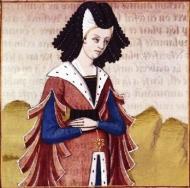
Sempronia war eine römische Aristokratin der späten Republik. Sie war die Frau des Decimus Iunius Brutus, Konsul des Jahres 77 v. Chr., und nach Sallust aktive Teilnehmerin – zumindest Mitwisserin – an der catilinarischen Verschwörung.
Lue lisää...Julius Caesar
Eunoë

Eunoé Maura (en berbère : ⴰⵡⵙⵏⵓⴼⴰ - Ausnufa) était une reine berbère de Maurétanie et épouse du roi Bogud.
Aussi connue sous le nom d'Euryes, Euries ou Eunoa.
Lue lisää...
Julius Caesar
Clodia
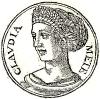
Clodia Metelli, née Claudia vers 95 ou 94 av. J.-C. et appelée également Clodia, est une des femmes les plus connues du Ier siècle av. J.-C.
Elle est l’une des trois filles du patricien romain Appius Claudius Pulcher. Sa mère était, soit Caecilia Metella Balearica, soit sa cousine Caecilia Metella fille de Lucius Caecilius Metellus Diadematus. Clodia était la demi-sœur, entre autres, de Publius Clodius Pulcher et d’Appius Claudius Pulcher (consul en 54 av. J.-C.), qui avaient le même père mais pas la même mère.
Lue lisää...Julius Caesar
Tertulla
Julius Caesar
Nysa
Ниса (др.-греч. Νύσα) — дочь царя Вифинии Никомеда IV (по другим, видимо, устаревшим сведениям — Никомеда III), жившая в I веке до н. э.
Lue lisää...Julius Caesar
Kleopatra VII

Kleopatra VII Filopator (m.kreik. Κλεοπάτρα Φιλοπάτωρ, 69 eaa. – 12. elokuuta 30 eaa.) oli Egyptin kuningatar 51–30 eaa. ja Egyptin kreikkalaisajan viimeinen aktiivinen hallitsija. Hän kuului Ptolemaiosten hallitsijasukuun, joka oli hallinnut Egyptiä vuodesta 305 eaa. lähtien. Kleopatra nousi kuningattareksi 18-vuotiaana ja uudelleen 21-vuotiaana menetettyään välillä vallan veljelleen.
Kleopatran ajan Egypti oli Rooman vasallivaltio, ja Kleopatran täytyi jatkuvasti mielistellä ja avustaa Roomaa pitääkseen maansa itsenäisenä, missä hän onnistuikin yli 20 vuoden ajan. Hän oli Ptolemaiosten tapaan tarvittaessa hyvin häikäilemätön ja julma, ja hän surmautti ainakin yhden sisaruksistaan. Roomassa häneen suhtauduttiin yleensä vihamielisesti, sillä häntä pidettiin laskelmoivana pyrkyrinä. Egyptissä hänet samastettiin Isis-jumalattareen.
Kleopatra on jäänyt historiaan etenkin rakkaussuhteistaan ja poliittisista liitoistaan Julius Caesarin ja Marcus Antoniuksen kanssa, legendaarisesta viehätysvoimastaan, sekä dramaattisesta itsemurhasta, jonka hän teki Egyptin joutuessa lopullisesti Rooman vallan alle.
Lue lisää...